The truth about “healthy kids” foods in the supermarket
Post Date :
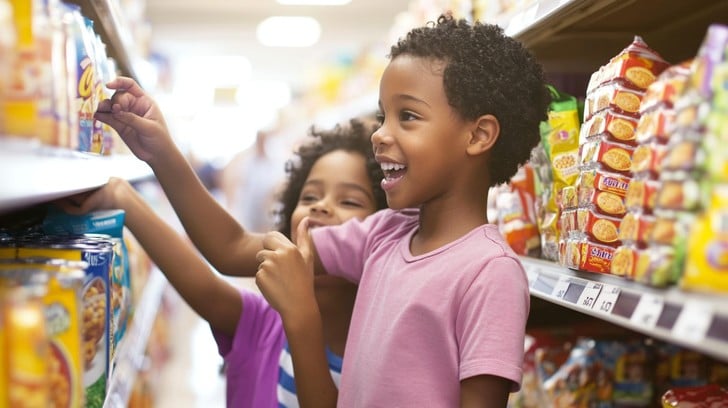
Walk through any supermarket and you will see entire shelves dedicated to products marketed for children. They are packaged in bright colours, stamped with promises and designed to look safer or healthier than adult versions. Parents reach for these options because they want to make a good choice. It is natural to trust the packaging. It is also natural to assume that something marketed for children must have been created with their wellbeing in mind.
Unfortunately, much of this is not true. Many foods in the “kids” aisle are not healthier than regular options. Some are more processed. Some have more sugar than a dessert. Some contain flavours and additives that contribute little to a child’s nutritional needs. The marketing suggests the opposite, and parents understandably believe what they see.
This article explains why these products are often misleading, what to look out for and how small shifts can make a real difference at home.
Why food companies want your attention
Children’s products are big business. Companies know that parents care deeply about feeding their children well, so they design packaging that captures that instinct. They use comforting phrases, familiar cartoon characters and labels that imply a product has a special nutritional advantage.
Common examples include:
“No added sugar”
“Natural flavours”
“For growing kids”
“Source of vitamins”
These phrases are not regulated in a way that protects the parent from being misled. “No added sugar” often means the product is sweetened with fruit concentrates which behave like free sugars in the body. “Natural flavours” has nothing to do with nutritional quality. “For growing kids” is often just a slogan.
Parents assume that companies could not legally place claims like this on a product unless they had a meaningful basis. The problem is that the wording is chosen to look reassuring without saying anything that must be scientifically proven.
You are not expected to decode labels. The system is designed so that you believe what you see.
Common “healthy kids” foods that are not what they seem
Children’s yoghurts
Many children’s yoghurts contain more sugar than ice cream. Some brands contain several teaspoons of sugar per small pot, which is much more than a young child needs. The health messaging on the packaging makes parents think they are buying something nourishing. The reality is that these yoghurts often behave like sweet desserts in the body.
Cereal bars and oat bars
Nearly all kids cereal bars are made from processed grains, syrups and concentrated fruit sugars. They look wholesome and often come with phrases about whole grains or slow energy, yet they create sharp glucose spikes. A piece of fresh fruit and a handful of nuts would take almost the same time to place in a bag and would support a steadier mood.
Fruit pouches
These are one of the most heavily marketed items in the children's aisle. Pouches are convenient and parents appreciate the ease, especially with younger children. The issue is that pouches remove the chewing process. They deliver a concentrated amount of fruit sugar quickly and do not help a child learn to eat whole foods. Many contain as much free sugar as a juice box. They are not harmful on their own, but they are often used in place of real fruit which provides fibre, texture and slower digestion.
Children’s breakfast cereals
Some cereals for children contain added vitamins but their sugar content is very high. The vitamins make the product seem nutritious while the sugar creates the opposite effect. A bowl of these cereals can create an glucose spike and dip that affects behaviour throughout the day.
Juice marketed as “100 percent natural”
Juice is still a source of concentrated sugar, even if it has no added ingredients. Without the fibre from whole fruit, it enters the bloodstream quickly. This can create the same pattern of sharp energy followed by irritability that many parents observe.
These examples are not provided to make parents feel guilty. They show how packaging creates a sense of safety that is not supported by the ingredient list.
Why companies design products this way
Companies design foods for children that taste sweet and smooth because these qualities guarantee repeat sales. Children naturally prefer sweet flavours. Food companies know this and they take advantage of it. They also know that parents associate colourful packaging with child friendliness. These strategies encourage loyalty even when the product does not support a child’s health.
This is not a reflection of parental choices. It is a reflection of how powerful marketing can be.
What actually makes a food “healthy” for a child
The definition of a healthy food for children is simpler than most parents think. A healthy food is one that:
supports stable energy
provides useful nutrients
helps a child feel full for long enough
encourages real eating skills
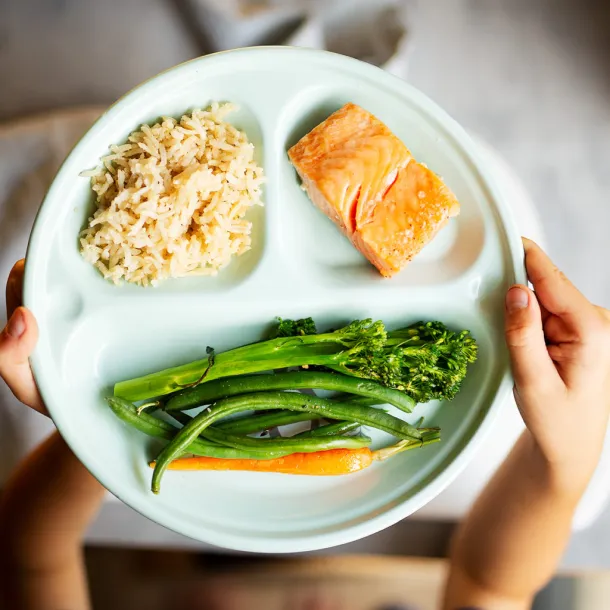
Children do not need special “kids” versions of foods. Regular yoghurt, whole fruit, vegetables, simple proteins and whole grains often provide everything a child needs. These foods do not come in shiny packaging but they offer the nutrients children rely on for growth, behaviour and attention.
Convenience is not the enemy
Parents often choose packaged snacks because they feel overwhelmed. A pouch or cereal bar seems easier than preparing something fresh during a busy day. It can feel like the difference between convenience and effort. But when parents think about the comparison, the difference is usually very small.
It takes seconds to cut cucumber or open a bag of cherry tomatoes. A small pot of plain yoghurt with berries can be prepared quicker than many packaged snacks. A boiled egg takes little time and can be kept in the fridge. These options support steadier energy and calmer behaviour.
Parents often tell me that once they shift their routine slightly, they realise that the convenience gap is much smaller than they expected.
You are not supposed to know all of this
Food marketing is designed to be confusing. Parents trust packaging because they assume companies follow rules that protect consumers. You are not meant to analyse labels while trying to manage everything else in your day.
The solution is not perfection. The solution is understanding. When you know what affects your child’s energy, mood and eating habits, you are able to choose packaged foods more intentionally and rely on whole foods when possible.
This is something that becomes much easier once you learn what to look for.
What this means for families
You do not need to remove all packaged snacks. You do not need to make every meal from scratch. You simply need clarity about what supports your child and what works against their natural energy balance.
Most families benefit from mixing both convenience foods and whole foods while understanding how each behaves in the body. A few small changes make a noticeable difference.
If you want personalised guidance
Supporting children’s eating does not need to be complicated or overwhelming. If you want individualised advice, practical strategies and a clear plan for your child, I can guide you through this in the sessions.
Get in contact here to book your child’s initial consultation.