“Just One More Bite” - Why You Should Avoid Saying This to Your Child
Post Date :
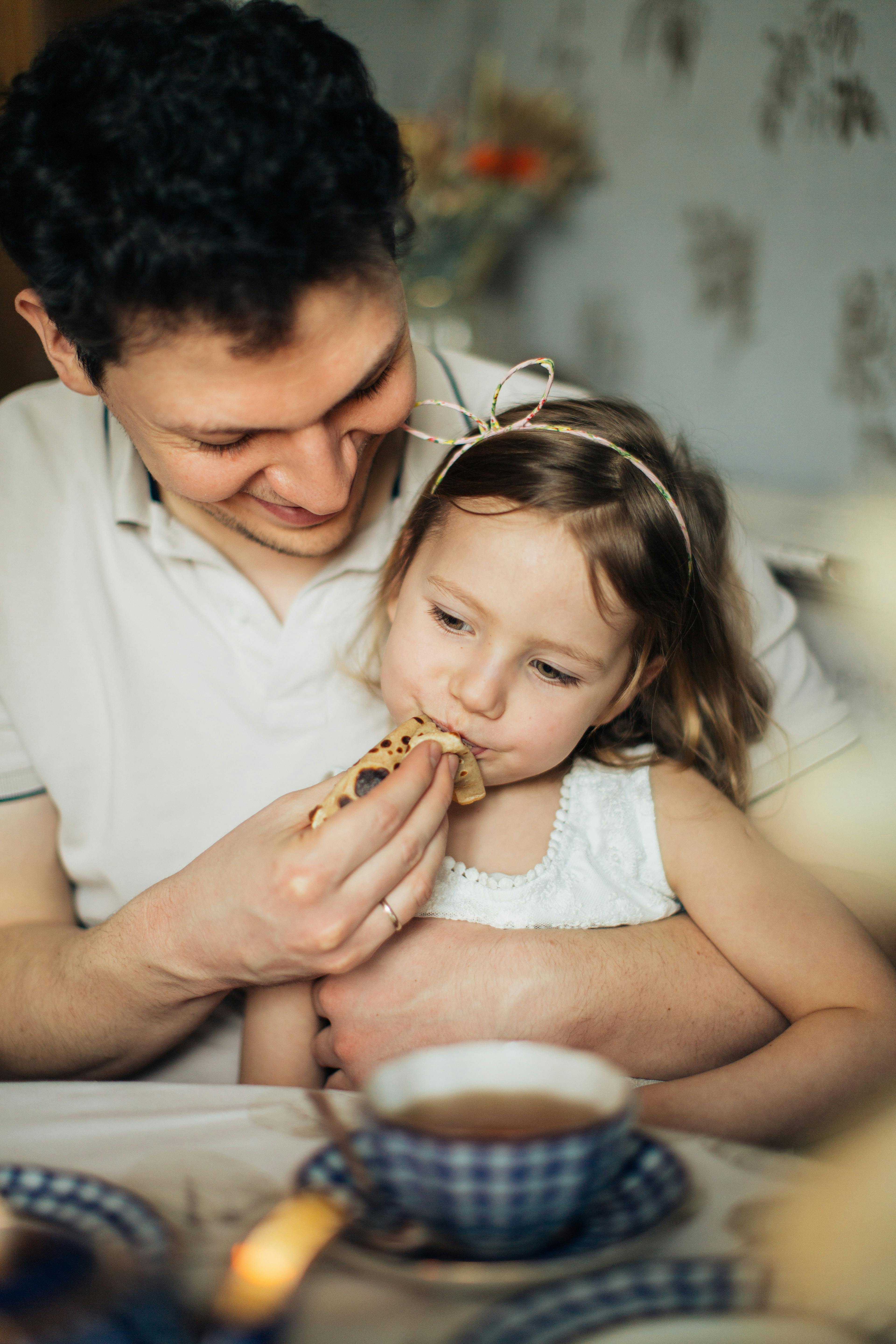
Parents say it without thinking. I won't lie, I have said it myself!
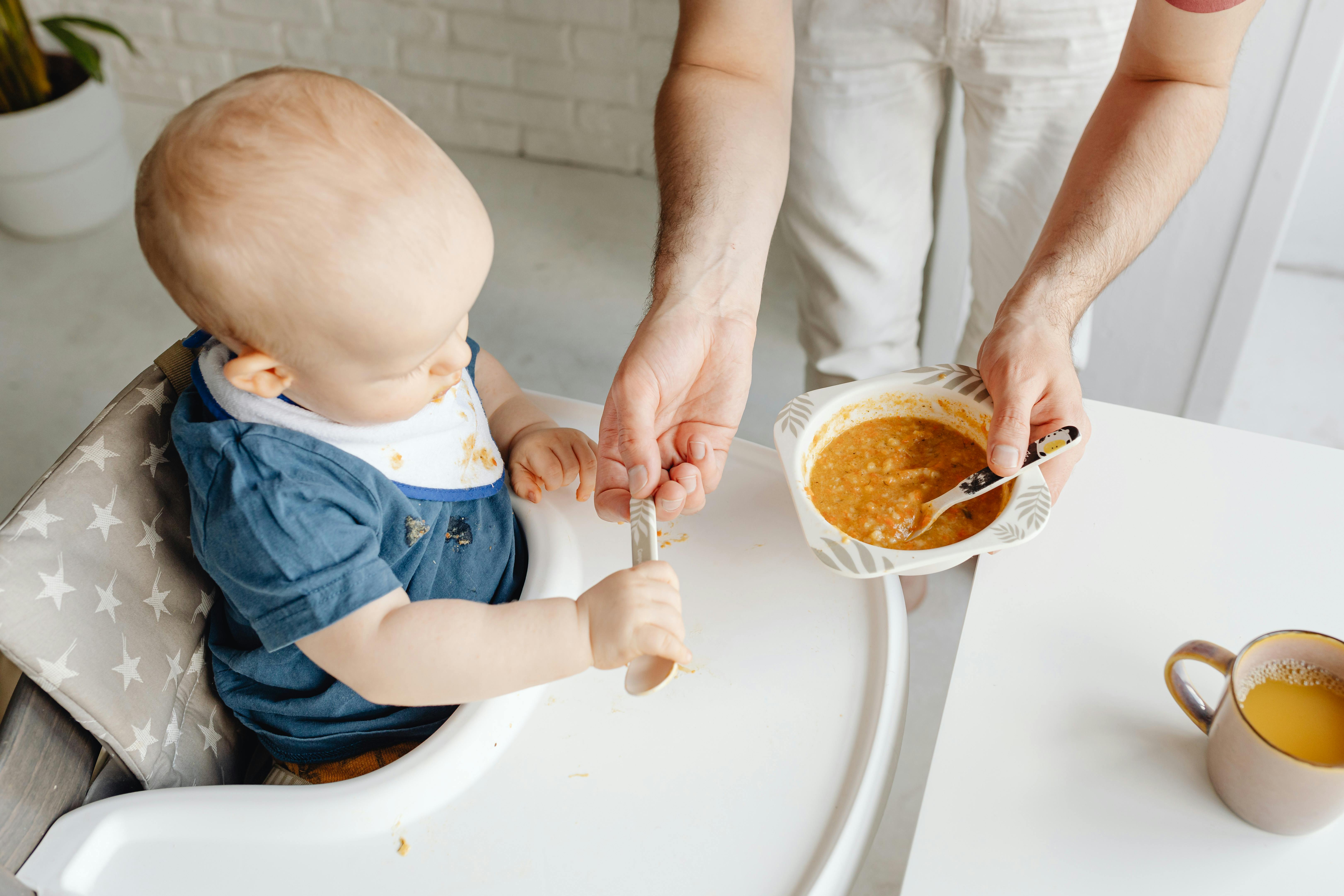
You are sitting at the table. Your child has only eaten a small bit of their dinner, and you know they will be hungry again soon. You want to help. The easiest thing to say is the line every parent knows.
“Just one more bite."
It feels harmless. In fact, it feels responsible. How could you let them walk away from the table having consumed barely anything? Yet research shows that encouraging children to eat through pressure, even when it comes from a place of care, can change the way they respond to food and may even reduce the variety they accept over time.
This does not mean you are doing anything wrong. Most parents say this at some point because it is familiar and it feels gentle. The point of this article is not to judge the phrase itself but to use it as an example of the kind of feeding pressure that many families fall into without realising it.
Understanding what pressure does, and how children respond to it, helps you support your child’s eating in a calmer and more effective way. This is something I work on with parents throughout the sessions because it creates such a noticeable change in the way children approach food.
Is It Pressure or Encouragement?
Parents rarely think of themselves as applying pressure. What they are usually trying to offer is encouragement. When a child is eating very little or is growing slowly or is refusing familiar foods, it feels natural to step in with a gentle prompt. Most parents see this as supportive rather than demanding, and the intention behind it is almost always positive.
The difficulty is that children do not feel encouragement in quite the same way adults give it. What seems like a light prompt from an adult can feel like expectation to a child. Even a subtle request to take another bite can shift their focus away from their own appetite and towards pleasing the adult at the table. This is how encouragement can quietly turn into pressure without noticing.
What The Research Tells Us
Two large studies give us a clear picture of how feeding pressure affects children. They also explain why phrases like “just one more bite” can have the opposite effect to what parents hope for.
Study 1: Lumeng et al (2024) - Pressure can reduce the amount of healthy food eaten.
This study looked at how parental pressure influences children’s eating. The researchers found a clear pattern across the children they observed. Their results were consistent with earlier work showing that pressure reduces a child’s interest in certain foods and affects how they respond to their own appetite signals.
The researchers wrote that “children exposed to greater pressure from caregivers consumed fewer fruits and vegetables and became less responsive to their own hunger and fullness cues.”
This is so important.
Children who are pressured to eat become less skilled at recognising when they are full or hungry. Their natural appetite signals start to lose clarity. When this happens, eating becomes more of a task and less of an internally led behaviour.
Parents sometimes notice this in the form of children refusing familiar foods, becoming selective or showing more mealtime resistance.
Study 2: Kininmonth et al., (2023) - Pressure is usually a reaction, not a solution.
Another piece of research studied twins to understand whether feeding pressure is something parents start on their own or something triggered by their child’s behaviour.
The authors noted that “parents tended to pressure the twin who showed lower appetite” and concluded that pressure was usually a response to worry.
In other words, parents are not creating the problem. They are reacting to it.
The issue is that reacting with pressure tends to make the behaviour stronger. A child who eats very little may eat even less when they feel watched, prompted or encouraged beyond their comfort level. The parent then worries more and applies more pressure, which continues the cycle.
Understanding this loop is one of the most powerful parts of supporting parents. Once pressure is removed and replaced with something more effective, the dynamic changes quickly.
Why Pressure Backfires
Children explore food in an instinctive way. They accept new foods slowly (it sometimes takes 15 exposures to a new food to accept it). They pay attention to texture and smell. They need freedom to pace themselves. Pressure shifts the focus away from this natural process and places it onto performance.
A child who is asked to take one more bite stops thinking about their body and starts thinking about the request. This disrupts appetite regulation and makes the meal feel less safe.
Parents often tell me that once they stop prompting and start supporting from a step back, their child suddenly shows more interest.
What To Do Instead
If pressure reduces interest, what helps children eat a wider range of foods?
Some of the things that support better eating include:
· Predictable meals that follow a familiar rhythm
· Calm routines that help a child feel settled
· A sense of choice, even if the choices are simple
· Adults modelling eating by sitting with them and eating the same foods
· Neutral language so food does not become tied to pressure or persuasion
· A relaxed atmosphere with no external stimulation like TV or an Ipad.
Children then move at their own pace, which usually leads to more acceptance over time, not less.
How Parents Can Learn These Skills
Most parents were never taught how to support children’s natural appetite cues. It is normal to rely on familiar phrases and hope for the best.
During the nutrition sessions with Parent Proof Nutrition we work through this in detail. You learn what your child’s eating behaviours mean, why they respond the way they do and how to support variety without creating tension. Parents usually say the change in atmosphere is immediate.
References
Kininmonth, A., Smith, A., Carnell, S., Llewellyn, C., & Fildes, A. (2023). Parental feeding pressure is often a reaction to lower appetite in children. International Journal of Behavioral Nutrition and Physical Activity, 20(1), 45.
Lumeng, J. C., Miller, A. L., Peterson, K. E., Kaciroti, N., & Chen, Y. P. (2024). Parental pressure to eat and its impact on child eating behaviours and dietary intake. Global Pediatric Health, 11, 1-12.